Skills for Claude Code and Codex CLI: The Complete Guide to Creating Reusable Workflows
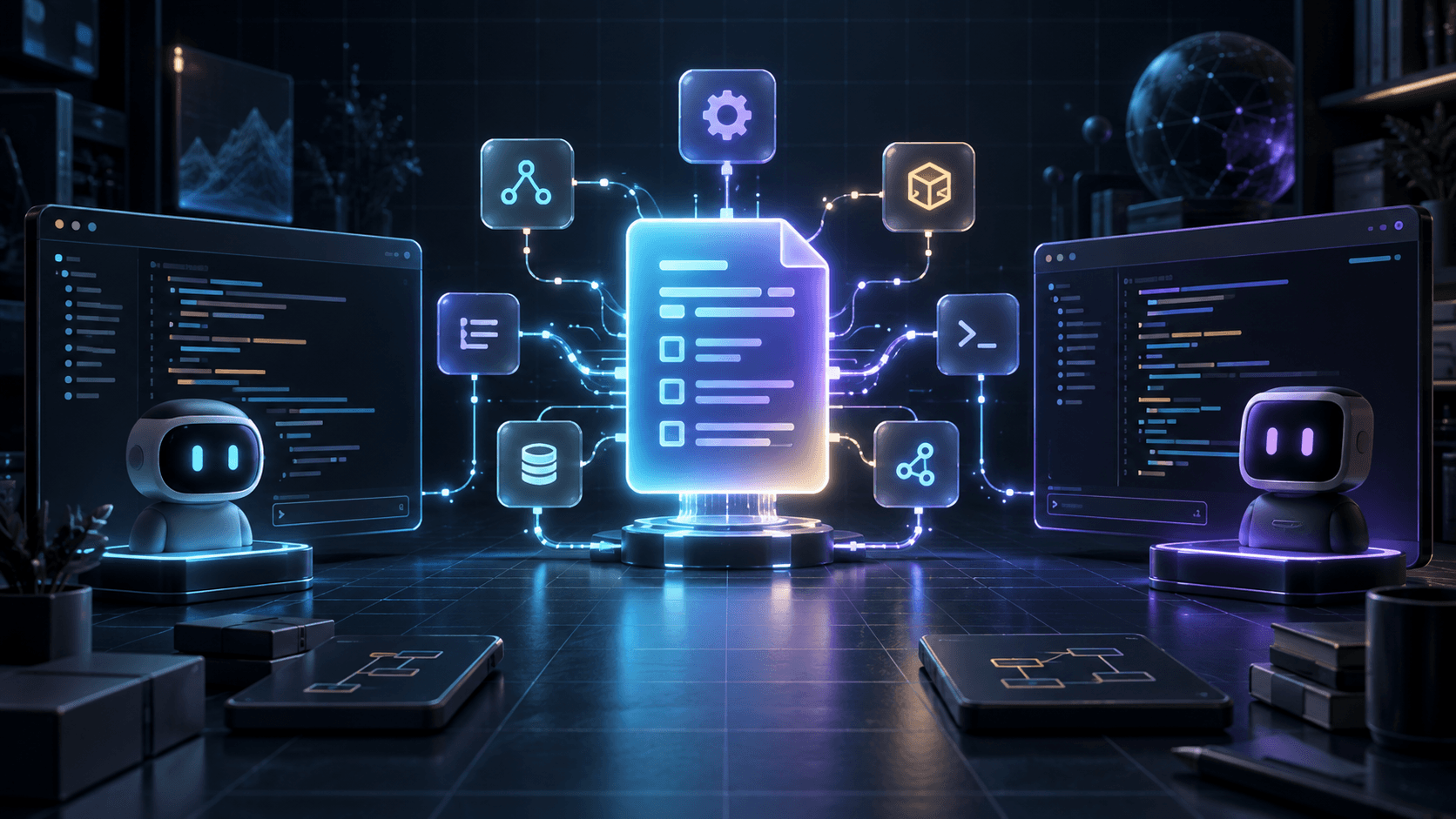
A practical guide to turning development methods into reusable workflows that work across Claude Code and Codex CLI.
The blog documents the technical decisions behind models, costs, multi-provider routing, and integrations. Each article should help readers understand or verify a real choice.
Editorial index
Articles grouped by topic
available articles
24
articles in this filter
24
Related references
/docs · /models · /pricing

A practical guide to turning development methods into reusable workflows that work across Claude Code and Codex CLI.

The experiment conducted with MIT's EQuS group shows an AI agent operating inside a real experimental loop: measure, analyze, interpret, and adjust the next action.

Twitch has added a setting that lets creators refuse the use of their content for future Amazon generative AI training. The default opt-out design and the unanswered questions around historical data are driving the controversy.

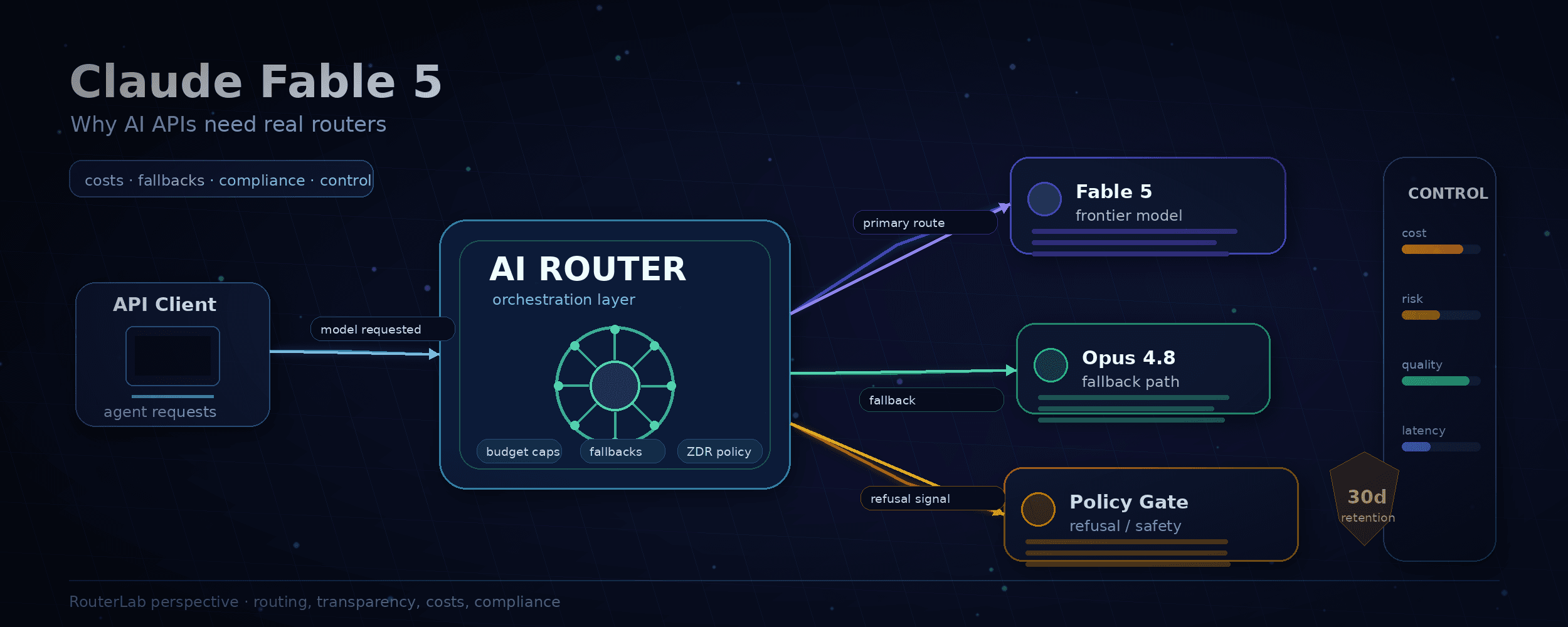
Anthropic has launched Claude Fable 5, its first Mythos class model. Discover why raw power is no longer enough and why control becomes the real product in AI orchestration.

Understand why AI agents are changing subscription models, and how RouterLab paired with Wrapper-ScioNos helps you master costs, models, and AWS Claude credits.

Web SEO is changing. Discover how to optimize your site for generative engines and AIs like ChatGPT.

Between a successful PoC and a production-ready AI infrastructure, there is a world of difference. Discover the 5 critical points (data, tools, models, costs, security) to audit before scaling.

Discover Caveman, an extension that forces AI to adopt a telegraphic style to drastically reduce verbosity, latency, and costs.

Learn how to use Tuple Unpacking, list comprehensions, and defensive parsing to make your AI gateway ultra-resilient.

Code agents are taking direct control of our terminals with native rendering capabilities. This revolution poses a critical challenge: the explosion of API costs and the emergence of privacy flaws.

How GPT-5.4's spectacular resolution of the FrontierMath benchmark redefines scientific research and highlights the urgency for sovereign infrastructures.

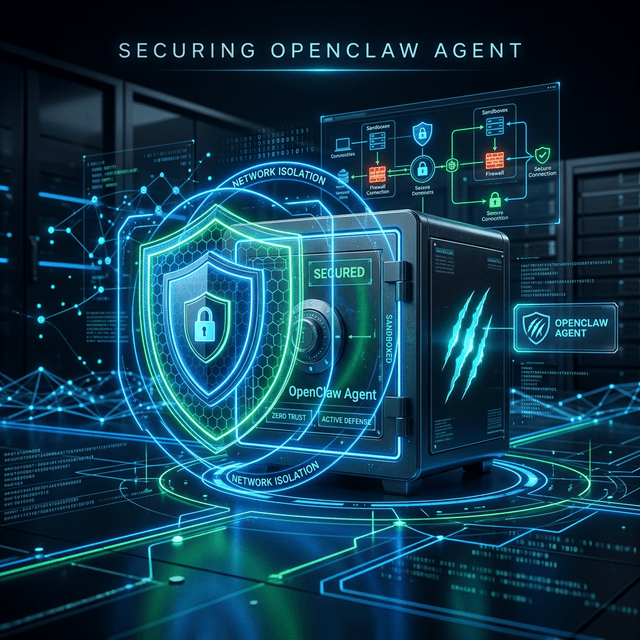
How to transform a massively deployed AI agent framework into a resilient and strictly isolated local infrastructure.

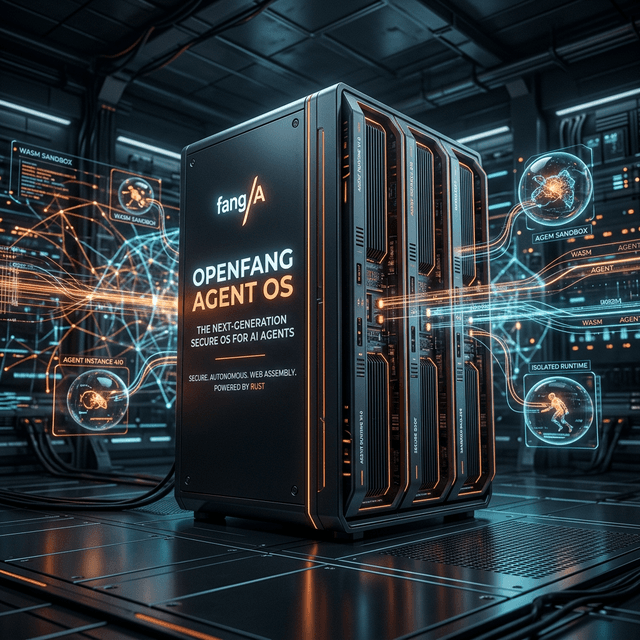
How OpenFang, a 32MB Rust binary, redefines software autonomy by replacing fragile orchestrators with a true, secure Agent OS.

The era of 'Scraping' is over. Google Chrome reveals how websites will natively converse with AI models.

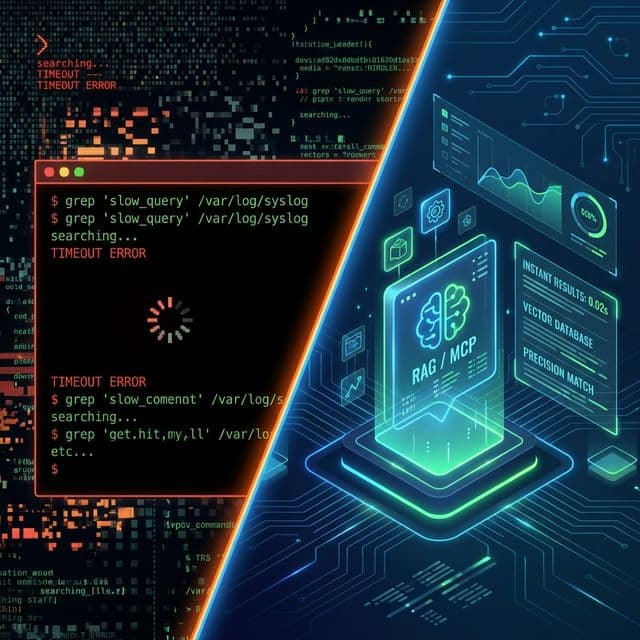
How to transform your CLI assistant into a surgical tool by replacing file scanning with instant local indexing via MCP and qmd.

How new multi-objective alignment methods enable LLMs to navigate contradictory imperatives without the burden of classical Reinforcement Learning.

In-depth comparison of two revolutionary autonomous AI agent architectures: OpenClaw, the action agent that controls your system, and Memu, the memory agent that anticipates your needs.

How to deploy Moonshot AI's revolutionary Kimi K2.5 model with European data sovereignty, fixed pricing, and massive credit multipliers.

Technical and strategic analysis for software architects: Architecture, Performance, Costs, and Orchestration of these two AI giants.

Comprehensive 2026 guide for fine-tuning reasoning models (System 2 Thinking) using gpt-oss-20b, Unsloth, and GRPO.

Technical and strategic analysis of the Mojo language and Modular ecosystem in 2026: architecture, benchmarks, and breaking the CUDA monopoly.

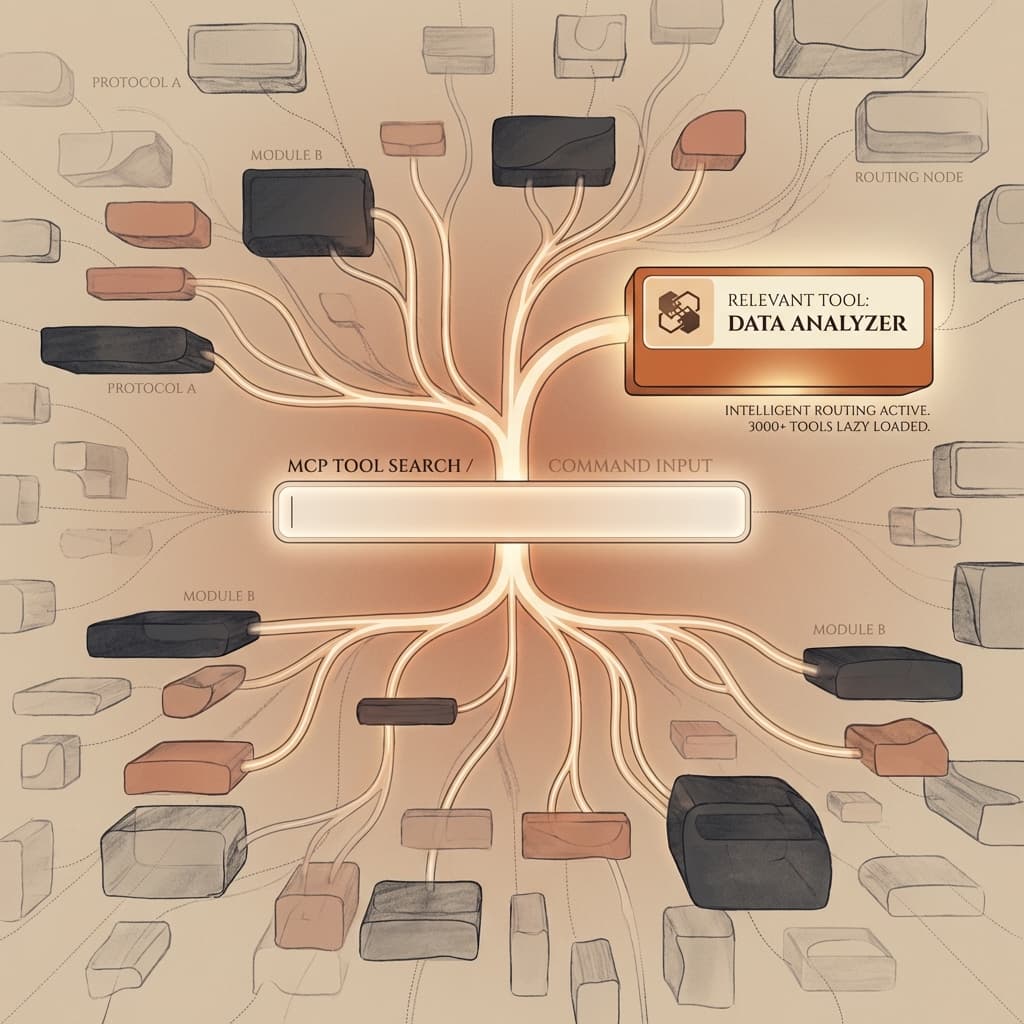
Discover how the Tool Search feature optimizes context usage by lazy-loading tools on demand.

Optimize your Pull Requests with an AI agent dedicated to reducing invisible technical debt.

How to transform a stateless LLM into a system capable of learning and remembering over the long term using a multi-tier architecture.